

Introduction
Air travel is often smooth sailing, but sometimes turbulence strikes in unexpected ways. delta flight dl275 diverted lax recently made headlines when it was forced to divert from its planned route to LAX. Passengers onboard experienced anxiety and uncertainty as they navigated this emergency situation high above the clouds. Let’s explore what happened during this flight, the implications for everyone involved, and how such incidents shape the aviation landscape.
Flight Details and Route
Delta Flight DL275 took off from Seattle-Tacoma International Airport, bound for Los Angeles International Airport. This popular route typically caters to both business and leisure travelers, connecting two bustling cities.
The flight was scheduled for a smooth journey down the West Coast. Passengers were ready to enjoy the comforts of Delta’s service as they anticipated their arrival in sunny California. Little did they know that an unexpected event would soon change their travel plans significantly.
The Incident: Anti-Ice System Failure
Delta Flight DL275 faced a critical situation mid-flight when the anti-ice system failed. This system is crucial for maintaining optimal performance in cold conditions, ensuring that ice does not build up on wings and control surfaces.
As temperatures dropped during ascent, pilots quickly recognized the urgent need to address this malfunction. Ice accumulation poses significant risks, leading to potential loss of control or reduced engine efficiency—a serious concern for any aircraft operating at high altitudes.
Decision to Divert
As Delta Flight DL275 flew towards its destination, the crew faced a critical decision. The malfunction of the anti-ice system raised safety concerns that couldn’t be overlooked. Ensuring passenger safety is always the top priority.
After consulting with air traffic control and evaluating their options, they chose to divert to Los Angeles International Airport (LAX). This choice reflected a commitment to precaution, allowing them to land safely while addressing technical issues on the ground rather than in the air.
Passenger Experience
Passengers on Delta Flight DL275 experienced a mix of anxiety and uncertainty during the diversion. Many were initially unaware of the technical issue, but as news spread, apprehension grew.
Flight attendants worked diligently to maintain calm, providing updates and reassurance. Some passengers shared their concerns with one another, while others turned to social media for information. The unexpected turn heightened emotions, turning an ordinary flight into an unforgettable experience for all onboard.
Arrival at LAX
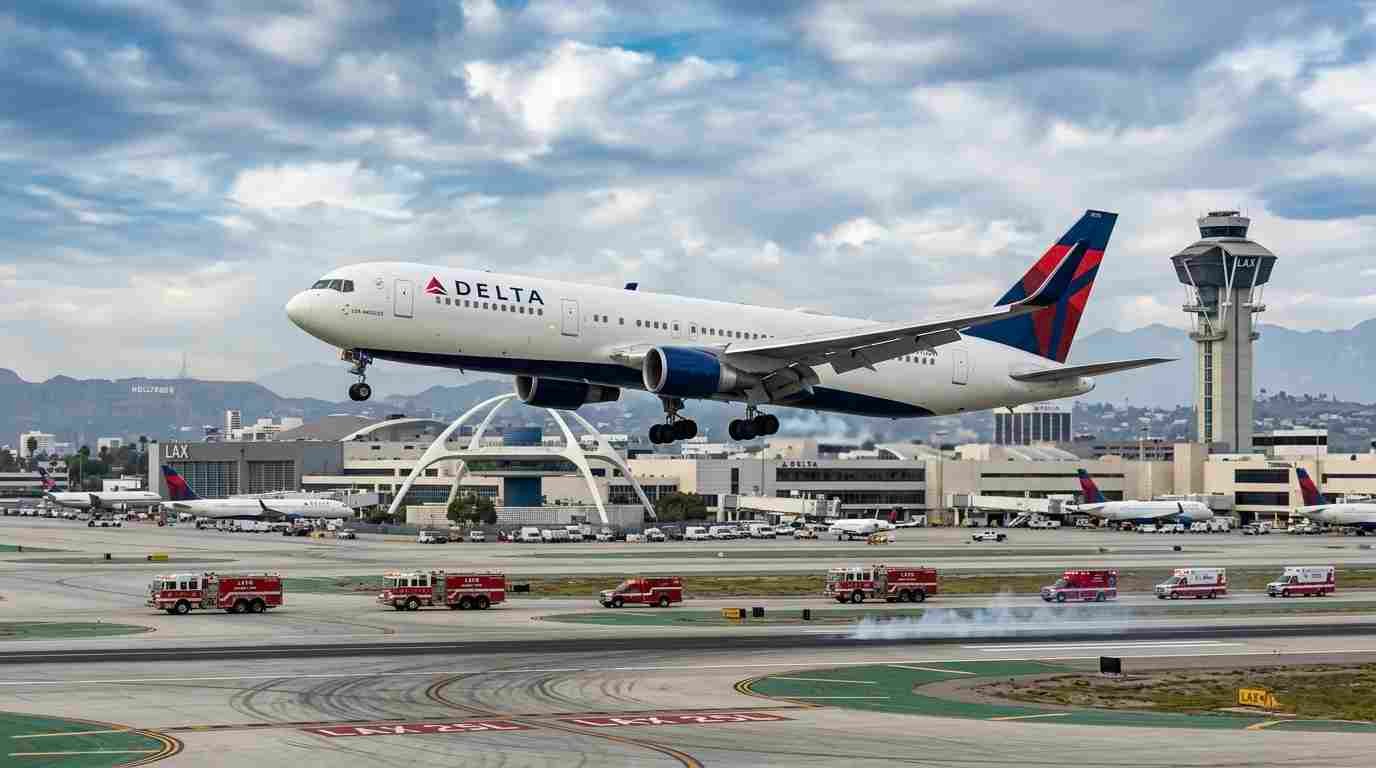
As Delta Flight DL275 touched down at LAX, passengers experienced a mix of relief and anxiety. The aircraft landed safely, guided by skilled air traffic control teams who were ready for the unexpected.
Upon arrival, travelers disembarked with stories to share. Many expressed gratitude for the crew’s professionalism during a tense situation. The terminal buzzed with chatter as families reunited and friends embraced, thankful that their loved ones had returned safe after an eventful journey.
Operational and Financial Impact
The diversion of Delta Flight DL275 to a different airport can have significant operational implications for the airline. This includes logistical challenges in re-routing aircraft, managing crew schedules, and addressing passenger needs at the alternate location.
Financially, such incidents may lead to increased costs from extra fuel consumption and potential compensation claims from affected passengers. Airlines must also consider the long-term impact on their reputation and customer trust following unexpected diversions like this one.
Technical Overview
Delta Flight DL275 operates using a Boeing 757-200, a reliable aircraft known for its performance. This model is equipped with advanced systems designed to handle adverse weather conditions.
The anti-ice system plays a crucial role in ensuring safe operations during winter months. When this system fails, pilots must take immediate action to maintain safety. Such technical issues highlight the importance of regular maintenance and adherence to stringent aviation standards.
Aviation Safety and Regulation
Aviation safety is paramount in the airline industry, governed by strict regulations. Agencies like the FAA enforce guidelines to ensure flights operate securely. Regular inspections and maintenance checks are mandatory for all aircraft.
In incidents like Delta Flight DL275’s diversion, these regulations play a crucial role. They provide protocols that airlines must follow during emergencies. This helps protect passengers and crew while maintaining public trust in air travel safety standards.
Lessons and Takeaways
Incidents like the diversion of Delta Flight DL275 highlight the importance of robust aircraft systems. Regular maintenance checks and timely upgrades are crucial for safety in aviation. Each failure serves as a learning opportunity, pushing airlines to enhance protocols.
Moreover, passenger communication during crises is vital. Keeping travelers informed calms fears and fosters trust in airlines. These lessons reinforce that preparation and transparency are essential components of airline operations, ensuring both safety and customer satisfaction in emergencies.
Wider Impact on the Aviation Industry
The diversion of Delta Flight DL275 has raised vital concerns across the aviation industry. It underscores the critical importance of aircraft maintenance and pre-flight checks, reminding airlines to prioritize safety protocols.
Moreover, it highlights how quickly situations can escalate in commercial aviation. As incidents like this occur, regulators may enforce stricter guidelines to enhance passenger safety. This incident serves as a wake-up call for all stakeholders involved in air travel operations.
Media and Public Response
Social media platforms erupted with reactions as news of delta flight dl275 diverted lax diversion spread. Passengers shared their experiences, expressing both concern and relief. Many praised the crew for their professionalism during a tense situation.
News outlets quickly picked up the story, highlighting the technical issues faced by the flight. Experts weighed in on aviation safety protocols, igniting discussions about airline regulations and passenger rights. The incident sparked widespread interest in emergency procedures within commercial aviation circles.
Conclusion
The incident involving delta flight dl275 diverted lax serves as a reminder of the unpredictability in aviation. With an anti-ice system failure resulting in a diversion to LAX, the event highlighted both safety protocols and passenger experiences during emergencies. It also raised questions about operational processes and regulatory compliance within the airline industry. As Delta navigates this challenge, lessons learned will undoubtedly contribute to future improvements, ensuring that air travel remains safe and reliable for everyone involved.