

Introduction
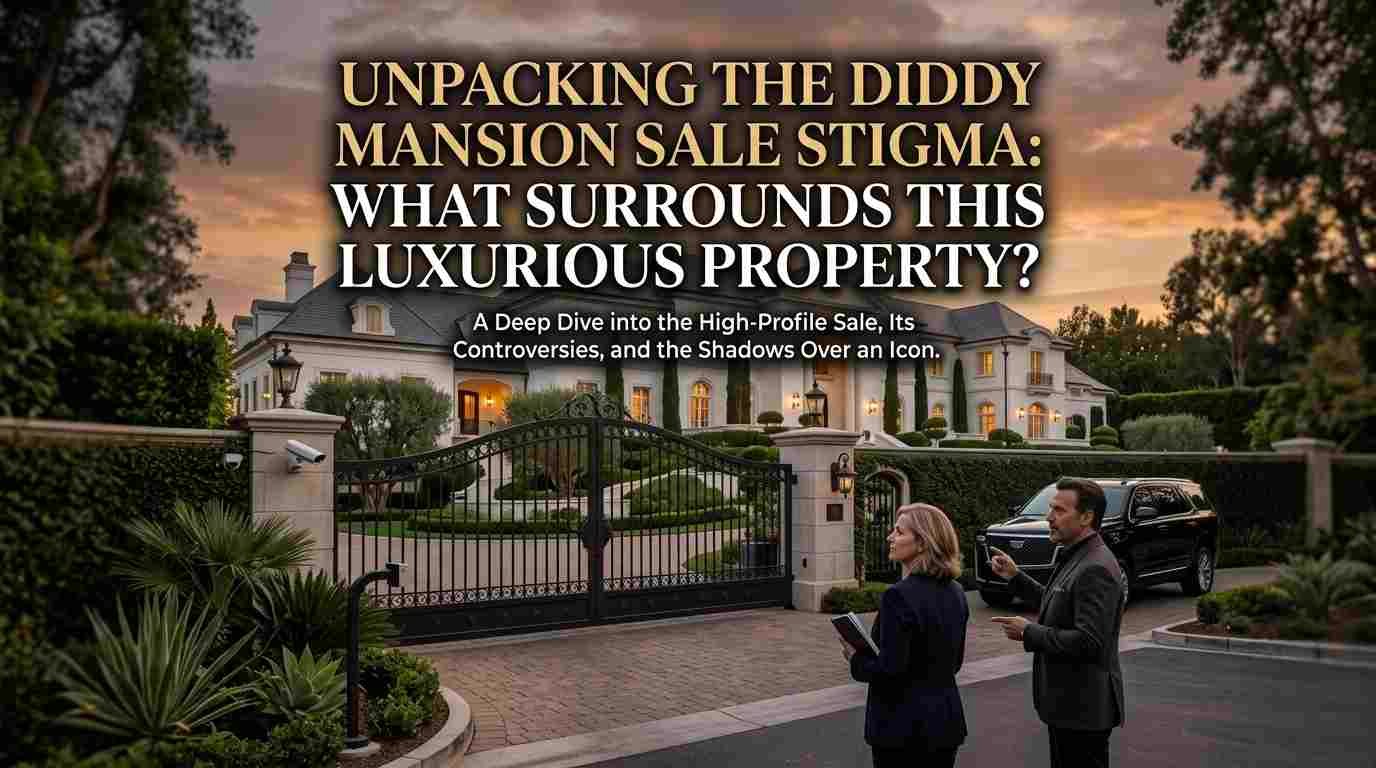
The luxury real estate market often dances to the rhythm of celebrity status and media buzz. One property that has garnered quite a bit of attention is Sean “Diddy” Combs’ lavish mansion in Los Angeles. This exquisite home, with its eye-popping price tag of $61.5 million, carries an unexpected weight: a stigma surrounding its sale. What’s behind this unusual phenomenon? Join us as we delve into the complexities of the Diddy mansion sale stigma and uncover how it impacts buyers, sellers, and the larger real estate landscape.
The Stigma Surrounding the Sale of Sean “Diddy” Combs’ Mansion
The sale of Sean “Diddy” Combs’ mansion is steeped in stigma. This luxurious property, priced at a staggering $61.5 million, carries baggage that extends beyond its opulence. Events and rumors surrounding the estate have left potential buyers wary.
Stigmatized properties can struggle to attract interest due to perceptions influenced by previous ownership or events. Buyers may hesitate, unsure if they want to take on the legacy of a celebrity’s past—especially one as high-profile as Diddy’s.
The Concept of Stigmatized Property
Stigmatized properties are those that carry a negative perception, often due to events or associations that occurred within their walls. These can include anything from high-profile crimes to notorious past owners. Such stigma impacts buyers’ interest and willingness to invest.
Buyers may shy away from these homes despite their physical attributes because they fear the lingering reputation. This hesitation can lead to significant price drops, making it crucial for sellers to address any misconceptions surrounding the property’s history.
Media Attention and Public Perception
Media coverage of the Diddy mansion sale has been intense, creating a whirlwind of speculation. News outlets have highlighted not just the property’s price tag but also its past controversies, fueling public intrigue.
As a result, potential buyers may feel hesitant. The spotlight can amplify concerns about desirability and value. Public perception often sways dramatically based on sensational headlines rather than the property itself. This phenomenon adds another layer to the already complex dynamics of luxury real estate transactions.
Impact on Real Estate Value
The sale stigma surrounding Diddy’s mansion can significantly influence its real estate value. Potential buyers might hesitate, fearing negative associations tied to the property’s past. This apprehension can lead to lower offers and extended time on the market.
Moreover, high-profile properties often require a unique buyer willing to overlook such stigmas. If these individuals remain scarce, it could further diminish the home’s perceived worth. The right marketing strategy becomes essential in mitigating this impact and attracting interest again.
The Psychology of High-End Buyers
High-end buyers often approach luxury real estate with a unique mindset. They seek not just a home, but an experience that resonates with their identity and aspirations. For them, the allure of exclusivity plays a significant role in decision-making.
Emotional connections drive purchases at this level. Buyers envision themselves living lavishly within these walls, imagining gatherings and celebrations. The Diddy mansion sale stigma may deter some, yet others may see it as an opportunity for value amidst perceived risks in luxury investments.
Rebranding and Market Recovery
Rebranding is crucial for properties like Diddy’s mansion, especially when they carry a stigma. Developers often invest in renovations and marketing strategies to reshape public perception. This can involve highlighting unique architectural features or the property’s history.
Market recovery hinges on changing narratives around such high-profile listings. By framing the property as an exclusive opportunity rather than a burden, sellers can attract buyers eager to own a piece of celebrity culture. Fresh branding efforts may just be the key to revitalizing interest and sales.
Exclusive Insights from Developers and Industry Experts
Developers and real estate experts offer valuable insights into the Diddy mansion sale stigma. Many believe that celebrity associations can significantly impact property perceptions. They highlight how unique features of high-profile homes sometimes attract buyers but may also deter them due to perceived complications.
Experts emphasize the importance of strategic marketing in overcoming negative impressions. They suggest that rebranding efforts, such as emphasizing luxury amenities and exclusivity, could revitalize interest in this opulent property while navigating its controversial past effectively.
Predictions and Analysis
Experts predict that the stigma surrounding the Diddy mansion sale may fade as time passes. As high-end buyers become more informed, they may focus less on past controversies and more on the property’s luxurious features.
Additionally, with LA’s real estate market continually evolving, savvy investors could see potential in such a unique listing. If marketing strategies adapt to highlight its exclusivity rather than its history, there’s hope for rebranding success in this luxury segment.
Current Status of the $61.5M LA Mansion
The $61.5 million mansion once owned by Diddy remains a focal point in the luxury real estate market. Despite its alluring features and prime location, interest has waned due to the stigma attached to its sale.
Current listings show that potential buyers are wary, influenced by both media narratives and public perception. The property’s unique history complicates its appeal, leaving many wondering how long it will linger on the market before someone dares to make an offer.
Market Trends and Challenges
The luxury real estate market has experienced fluctuations, influenced by economic conditions and buyer sentiment. As interest rates rise, potential buyers are more cautious about high-end investments. The Diddy mansion stands at the crossroads of this evolving landscape.
Additionally, properties with a stigma often face longer sales cycles. This challenge is especially pronounced for homes tied to celebrity narratives or controversies. Buyers may hesitate to commit, impacting overall demand in this segment of the market.
Conclusion
The Diddy mansion sale stigma is a multifaceted issue that intertwines luxury real estate, celebrity culture, and the human psyche. The lingering effects of negative publicity can influence buyer behavior and property values. As developers and industry experts continue to analyze trends and challenges surrounding such high-profile sales, it becomes clear that rebranding efforts may be essential for recovering market appeal.
As the $61.5M LA mansion navigates these complexities, its future remains uncertain yet intriguing. With shifting perceptions in the luxury market and evolving buyer psychology, all eyes will remain on this iconic property as it seeks to redefine its narrative amidst ongoing scrutiny.