

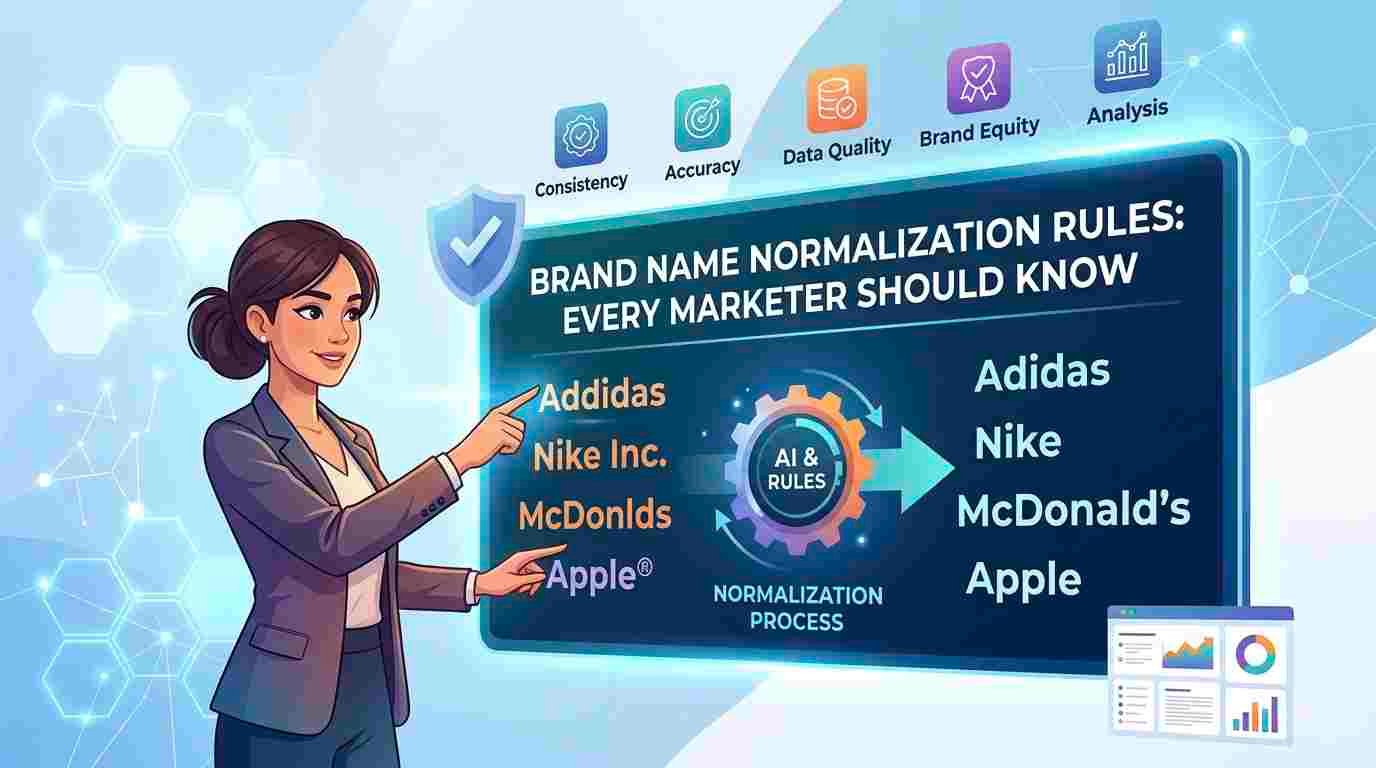
In the fast-paced world of marketing, clarity is king. One often-overlooked aspect that can make or break your brand’s reputation is brand name normalization. As businesses strive to carve out their unique identities, inconsistencies in how names are represented can lead to confusion and lost opportunities. Whether you’re dealing with customer databases, online listings, or social media profiles, establishing clear brand name normalization rules is essential for effective communication.
Imagine a potential customer searching for your product but stumbling upon multiple variations of your brand name—each one sending them down a different rabbit hole. This scenario not only frustrates users but also dilutes your brand’s authority. So, how do you ensure consistency across all touchpoints? Let’s dive into the fundamentals of brand name normalization and discover why it matters more than ever for marketers today.
1. Understanding Brand Name Normalization
Brand name normalization refers to the process of standardizing how a brand’s name is represented across various platforms and channels. This includes correcting variations, abbreviations, or misspellings that can lead to inconsistency. When done right, it ensures that anyone looking for your brand encounters a unified identity.
This practice plays an integral role in building trust with customers and improving searchability online. By presenting a consistent brand image, you reinforce recognition and reliability in consumers’ minds. Understanding this concept lays the groundwork for effective marketing strategies that resonate well with your audience.
2. Importance of Brand Name Normalization
Brand name normalization plays a crucial role in ensuring consistency across all marketing channels. When brand names are accurately standardized, it minimizes confusion among consumers and strengthens brand identity. This clarity fosters trust and recognition, allowing customers to engage more meaningfully with the brand.
Moreover, effective normalization streamlines data management processes. It helps organizations maintain accurate records and improves communication between departments. With reliable data at hand, companies can make informed decisions that enhance customer experiences and drive growth. Emphasizing this practice is essential for any marketer looking to build a strong foundation for their campaigns.
3. Essential Rules for Normalizing Brand Names
When normalizing brand names, consistency is key. Always use the same spelling and format across all platforms. This includes capitalization, punctuation, and abbreviations. For example, decide whether to use “Co.” or “Company” consistently.
Another rule is to avoid using generic terms alongside brand names. Stick to the core name without adding descriptors that may confuse consumers. Regularly audit your brand lists for accuracy and completeness. Keeping everything updated ensures that your audience recognizes your brand easily in any context.
4. Methods for Normalizing Brand Names
Brand name normalization can be achieved through various methods. One effective approach is standardization, where you create a master list of approved brand names and variations. This ensures consistency across all platforms and materials.
Another method involves using automated tools that leverage machine learning algorithms to identify and correct discrepancies. These tools analyze historical data to establish patterns, making it easier for marketers to maintain uniformity in brand representation while minimizing manual effort. Embracing these techniques helps streamline branding efforts significantly.
5. Fuzzy Matching and Its Application
Fuzzy matching is a powerful technique used in brand name normalization to identify similar names, even when they contain typos or variations. This approach employs algorithms that evaluate the closeness of strings based on character sequences and phonetics. It’s especially useful for brands with common misspellings or those using different naming conventions.
By applying fuzzy matching, marketers can streamline their data processes and ensure consistency across platforms. For example, if a customer inputs “Nikee” instead of “Nike,” fuzzy matching helps recognize the intended brand and link data accurately. This enhances user experience while improving data integrity.
6. Leveraging Normalization for Account Mapping
Account mapping becomes seamless when brand name normalization is effectively applied. By ensuring consistent naming conventions, marketers can easily align accounts with their corresponding brands. This not only enhances clarity but also minimizes confusion during data analysis and reporting.
Utilizing normalized names enables teams to make informed decisions based on accurate account representations. With a clearer view of relationships between brands and customers, businesses can tailor strategies that resonate more with target audiences, ultimately leading to better engagement and conversion rates.
7. Enhancing Downstream Operations with Normalization
Brand name normalization plays a crucial role in streamlining downstream operations. By ensuring consistent naming conventions, teams can avoid confusion and miscommunication across departments. This clarity allows for smoother collaboration and more efficient workflows.
Moreover, normalized data enhances reporting accuracy and customer insights. When brand names are standardized, analytics become more reliable, enabling better decision-making. As marketers leverage this information, they can fine-tune strategies that resonate with their audience while maximizing operational effectiveness. Normalization ultimately fosters a cohesive environment where every team member is on the same page.
8. Challenges and Common Mistakes in Normalization
Normalization can be tricky, especially when brand names vary in formats or spellings. One common mistake is overlooking regional variations. Brands may have different names or abbreviations in various locations, leading to inconsistencies in data.
Another challenge arises from incomplete datasets. Missing information can hinder effective normalization, resulting in duplicates and inaccuracies. Marketers often underestimate the importance of regular updates and audits on their normalization processes, which could help catch these errors before they escalate into larger issues.
9. Implementing Normalization in CRM Systems
Integrating brand name normalization rules into your CRM system is essential for maintaining data accuracy. Start by defining the standard formats for each brand name, ensuring consistency across all entries. This will help minimize duplicates and discrepancies.
Next, leverage automation tools within your CRM to enforce these standards during data entry. Use validation checks to prompt users when they input a non-standard format. Regular audits can further enhance accuracy, keeping your customer records clean and reliable over time while boosting overall efficiency in managing relationships.
10. Connecting Normalization Rules to Trustworthy Leadership Reporting
Effective brand name normalization rules are crucial for connecting marketing data to leadership insights. When your brand names are consistent, it enhances reporting accuracy and reliability. Leaders rely on clear, normalized data to make informed decisions.
Accurate branding leads to trustworthy analytics that drive strategy. By implementing these normalization rules, organizations can present a coherent narrative in their reports. This clarity fosters confidence among stakeholders and supports strategic objectives.
Consistent application of brand name normalization lays the groundwork for improved communication and decision-making within an organization’s leadership framework. Embracing these practices not only strengthens internal operations but also builds trust with customers and partners alike.